
Europe’s Transportation Infrastructure Faces a New Challenge: Visibility vs Energy Consumption
Cities across Europe are racing to modernise their transport networks. Smart mobility, digital passenger information, and real-time updates have become baseline expectations.
Yet as display systems multiply—on train platforms, at bus stops, tram interchanges, and digital signage towers—a new contradiction is emerging.
Higher visibility demands higher energy consumption. And energy in Europe is no longer cheap.

The Paradox of High-Brightness Displays
For years, the industry solved sunlight readability with a simple formula: increase brightness. Higher nits meant better visibility. Outdoor and semi-outdoor displays pushed towards 1500, 2000, even 3000 cd/m².
But that logic is now colliding with three hard realities:
- Energy costs remain structurally high
24/7 transport displays—running year-round—face operating budgets that are no longer forgiving.
- Thermal management becomes a hidden tax
Higher brightness generates more heat. More heat requires active cooling, ventilation, or larger enclosures. That adds cost, complexity, and failure points.
- The sunlight readability paradox
Here is the uncomfortable truth: beyond a certain point, more brightness does not always mean better visibility. Glare, reflection, and contrast ratio often matter more than raw peak nits. The industry has been throwing watts at a problem that brute-force brightness alone cannot solve.
From a Brightness Race to an Efficiency Race
A subtle but important shift is underway.
Transport authorities and system integrators are no longer asking only:
—“Can travellers see this screen in direct sunlight?”
They are now also asking:
—“At what energy cost?”
—“What is the total cost of ownership over five years?”
—“Does this align with our city‘s ESG and decarbonisation targets?”
The competition is moving from peak brightness to energy efficiency per readable lux-hour.
In practical terms, that means evaluating displays not just on nits, but on:
- sustained outdoor power consumption
- readability under direct sunlight without backlight strain
- heat generation and passive thermal performance
- long-term reliability in high-temperature environments
Why Reflective and Low-Power Display Technologies Are Becoming Increasingly Important
This is where reflective and low-power display technologies enter the picture. They are not a niche alternative, but are increasingly becoming a practical answer to the visibility-versus-energy trade-off.
Reflective displays do not fight sunlight—they use it. The brighter the environment, the better the readability. Backlight power can be dramatically reduced or entirely eliminated. More importantly, this low-power characteristic makes them compatible with solar panel energy storage, offering an ideal solution for areas where cabling is difficult or impractical.
For transport infrastructure—where sunlight is abundant during peak daytime hours, and information must remain legible without consuming grid power at industrial rates—this creates a fundamentally different operating model.
Where the Shift Matters Most
Not every transport display needs reflective technology. But several high-volume applications are particularly sensitive to the energy-versus-visibility conflict:
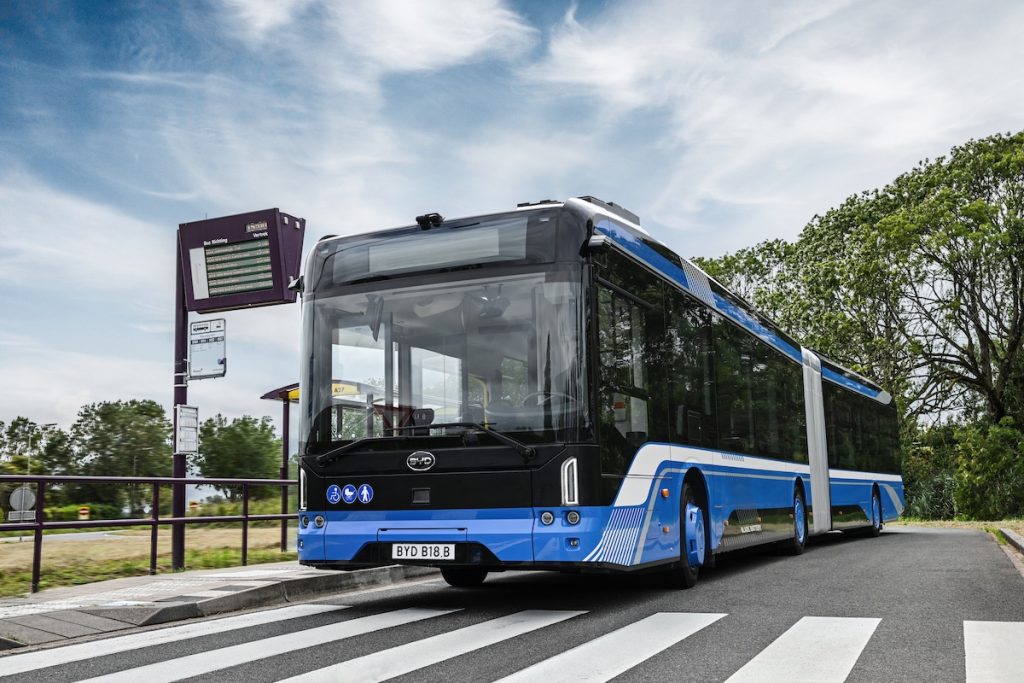
Passenger Information Display Systems (PIDS) – departure and arrival information displays at bus and transport hubs
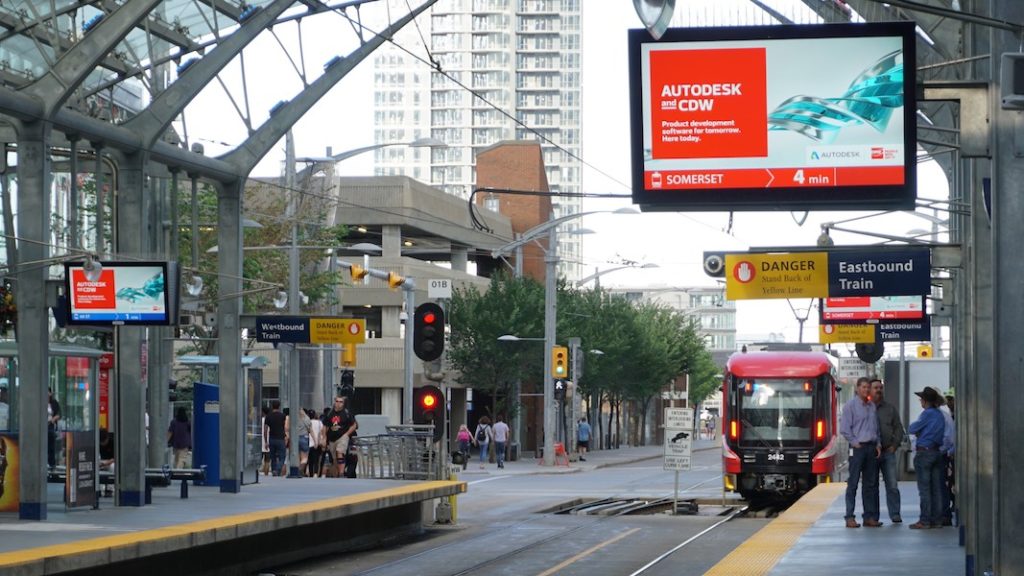
Train Information Display Systems (TIDS) – train departure and arrival information displays, platform-to-train information integration
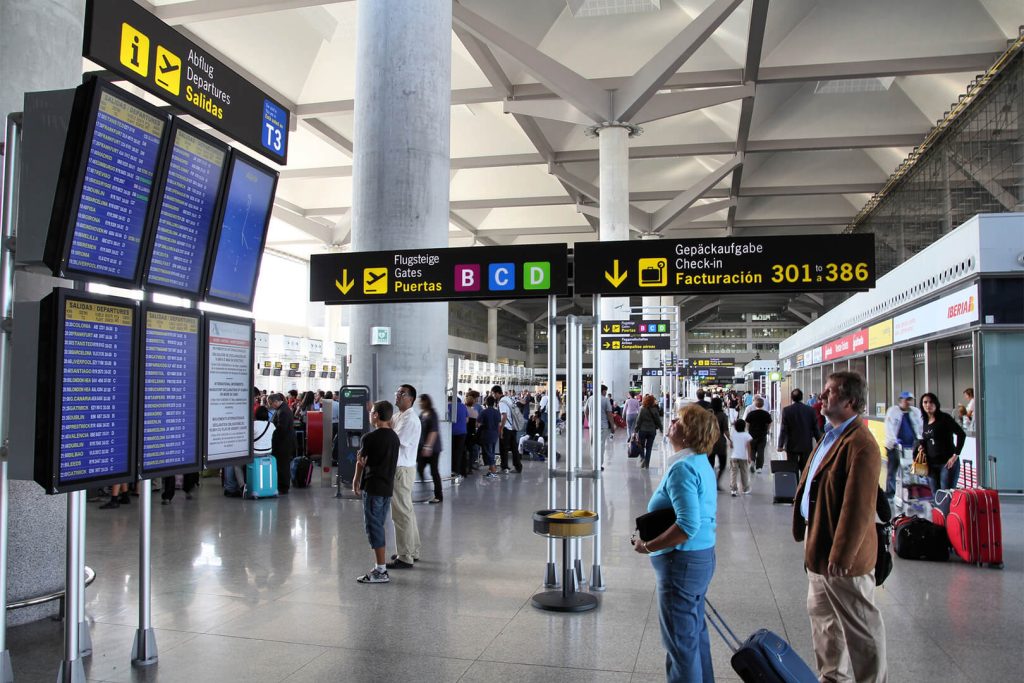
Flight Information Display Systems (FIDS) – airport departure halls, gate information, baggage claim areas
In all these scenarios, the combination of sunlight readability + ultra-low power consumption is moving from “nice to have” to a procurement criterion.
Techtion Smart: Your Trusted Partner for Low-Carbon, Eco-Friendly Display Solutions
As a provider of advanced CHLCD-based reflective display solutions, Techtion Smart observes that European customer conversations are undergoing a noticeable shift.
Discussions are no longer focused on technical specifications alone. Increasingly, transport operators and infrastructure suppliers are asking:
“How do we maintain full daytime visibility while cutting energy consumption by 70–90%?”
There is growing interest in reflective displays—not because the technology itself is new, but because the operating environment has changed. High energy prices, ESG commitments, and real-world sunlight readability requirements have made the efficiency advantage more tangible than ever before.
Techtion Smart is actively engaged in multiple European transport projects where the traditional higher-brightness approach has been re-evaluated in favour of low-power, sunlight-readable reflective technologies.
 Previous Article
 Microsoft Teams
 WhatsApp
 Email
Email Inquiry
 WeChat
 TOP
TOP